Flat File Archive
  • Home
  • Techniques
    • Analog Printmaking >
      • Relief >
        • Woodcut Overview >
          • Woodcut Basics
        • Linocut Overview >
          • Linocut Basics
      • Intaglio >
        • Drypoint Overview >
          • Drypoint Basics
      • Lithography >
        • Polyester Litho Overview >
          • Polyester Basics
        • Paper Litho Overview
        • Kitchen Litho Overview
        • Lemon-Etch Litho Overview
        • Waterless Litho Overview
      • Screen Printing >
        • Screen Print Basics
        • Emulsion and Exposure
        • Screen Printing Clean Up
      • Unique Impressions >
        • Monotype Basics
      • Collagraphy >
        • Found Objects
      • Letterpress
      • Frottage/Rubbings
    • Digital Printmaking >
      • Risograph
      • Laser Engraving
      • 3D Printing
      • NEW TECHNOLOGY
    • Image Transfer Techniques >
      • CYANOTYPE
      • DIGITAL NEGATIVES
  • PULLING PRINTS
    • Printing Relief
    • Printing Intaglio
    • Printing Screens
  • STUDIO GUIDE
  • GLOSSARY
  • History
  • SAFETY
  • Links
  • About

HOME STUDIO SETUP

RESOURCES
  • Finding Space at Home for Printmaking
  • Organizing A Home Printmaking Studio Space
  • A Printmaking Studio With A View
  • Peculiar Printer: Making My Own Equipment
  • Press Play: My Little Print Shop – Virtual Tour
  • How To Store Your Art Collection Like an Expert – Artwork Archive
  • Homemade Flat File
  • How to Properly Handle and Store your Fine Art Media
  • Creating a Basement Art Studio
  • 12 Ways to Make an Art Studio at Home
  • Setting Up A Screen Printing Studio – Zea Mays
  • The Green Art Studio: Zea Mays – nontoxicprint.com

DIVIDE YOUR HOME STUDIO INTO "ZONES"

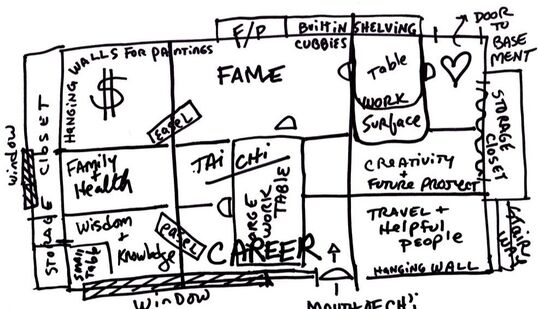
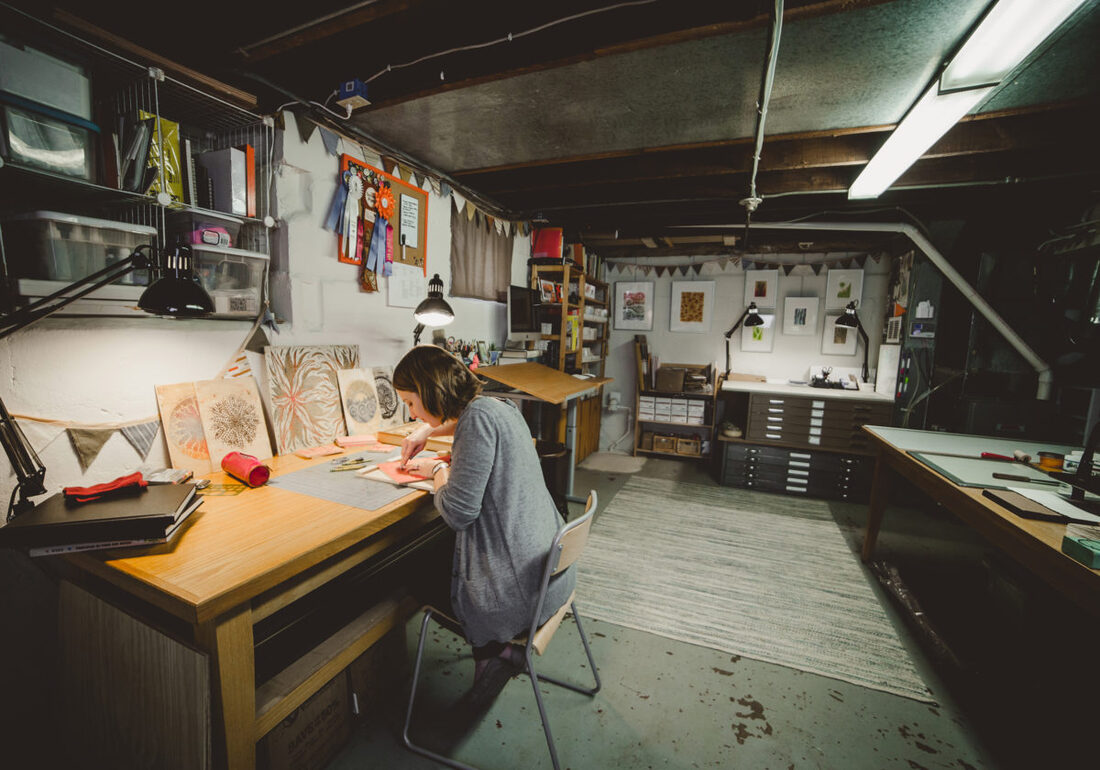
If your space is small, create spaces can be used for more than one process. For example, you can draw and cut a stencil on the same table that you use for printing. The most important thing is to clean up between each process always work in a clean and clear space. The spaces we create to make art in are personal, so there is no one correct layout. Experiment with the space to make it function best for you. There are a lot of things to consider when setting up your studio. Review the various options below.
Picture

STORAGE – EFFICIENT STORAGE MAKES PRINTMAKING EASIER
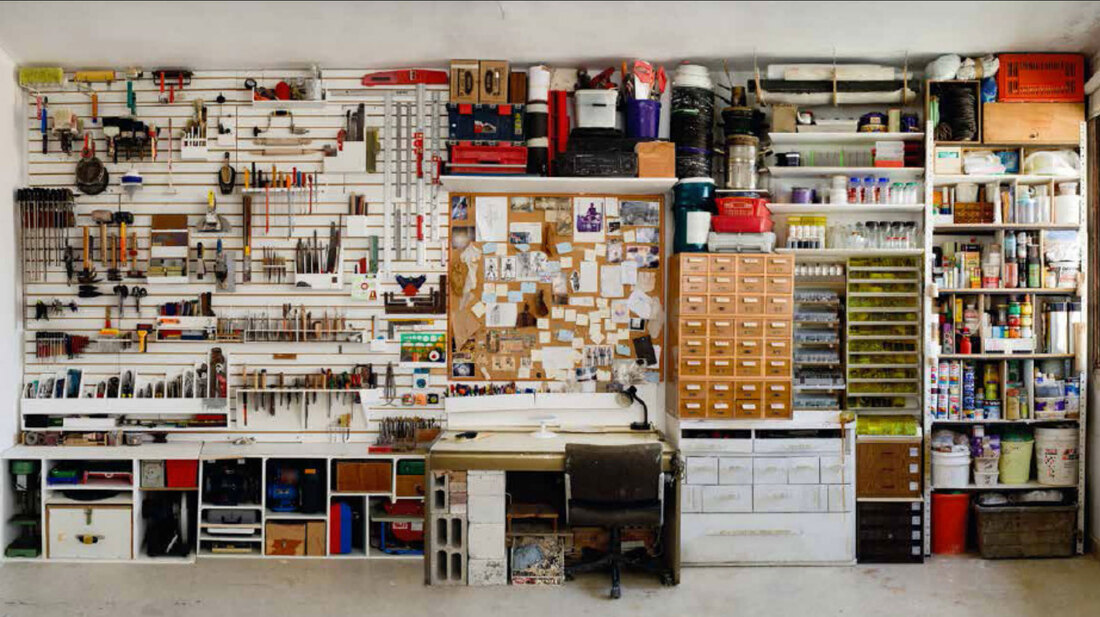
  • Use a mix of cupboards, shelves, hooks, pegboard, trolleys and boxes makes it easy to store and find your printmaking tools and equipment.
  • Inks should be stored upright, out of direct sunshine. Make sure the lids are screwed on properly so that the inks don’t dry out.
  • Hang rollers from a hook or stand handle end down in a container. Don’t leave the rubber resting on anything as it may damage the surface and make sure they’re dry before you store them.
  • Protect the rubber strip of squeegees by storing them flat or upended. Alternatively, screw an eye hook into one end and hang them from a peg.
  • Stand or stack screens face to face and back to back, making sure they can’t be damaged by sharp objects or heavy items sitting on top of them.
  • Paper and fabric should be stored somewhere dry and clean, out of direct light. Make sure you know where your finished prints are stored so that you can easily find them in a filing cabinet. Don’t spend hours printing your masterpiece and then lose it!
  • Keep sharp tools such as lino cutting tools in the box they came in, in a fabric roll or upright in a stand. Make sure the blades of knives are retracted or covered.
  • Store inks, solvents and sharp blades safely; blades should be covered and all should be kept away from children.
PREPARATION – MAKE YOUR PRINTMAKING PREPARATION AREA SAFE AND COMFORTABLE
  • Each printmaking technique has its own preparation requirements, so although you may be cutting out stencils for screen printing or etching Perspex sheets for drypoint, the basic requirements are the same.
  • Choose a sturdy desk, workbench or table at a height that’s comfortable for you, depending on whether you prefer to stand or sit. Protect your work surface with a cutting mat if you’re using sharp implements. Good lighting is essential.
PRINTING – ARRANGE YOUR PRINTMAKING AREA TO SUIT YOUR WORKFLOW
  • Different printing methods have different requirements, but you will need large, flat table or workbench that’s the correct height, with good lighting and ventilation. Lay a yoga mat or stack of magazines on your worktable if you need a softer surface for printing.
  • Remove anything that you don’t need and make sure the surface is clean.
  • Organize your printing area according to your workflow.  You may want to have your clean paper on the left, your printing plate in the middle and your inks on the right, depending on how you work. Leave room to set down your finished print.
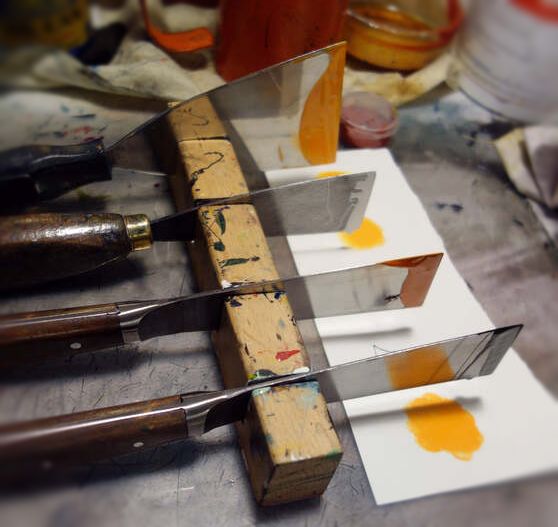
  • Plan where to lay down inky palette knives, rollers and tubes of ink.
  • How will you keep you and your equipment clean while you’re working? Do you need a box of wet wipes or paper towels? Will a bowl of water be sufficient or do you need to be close to a sink? What facilities do you need to clean up at the end of a session?
Picture
DRYING – MAKE ROOM IN YOUR PRINT STUDIO TO EFFICIENTLY DRY YOUR PRINTS
  • Your drying area should be warm, dry and clean with enough room to keep each print separate – so that they don’t stick together.
  • Set your prints to dry away from the print area to avoid accidental damage.
  • Dry your prints flat on a table, the floor or on a stack of cooling racks used for baking.
  • You can also hang your prints to dry. Use clothes pegs or bulldog or binder clips to suspend them from hooks or a clothes line.
  • Commercial drying racks are expensive – but there are plenty of DIY alternatives on Pinterest.
  • Printed fabrics can be hung outside to dry
RESOURCES
  • Print Dryer Instructions – etchings.org
Picture
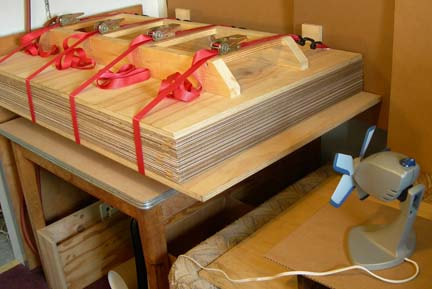
It doesn't take much to move air through a stack of corrugated cardboard. This works almost as well as the Exhaust Fan Assembly. Allow a couple of extra hours of drying time.

Picture
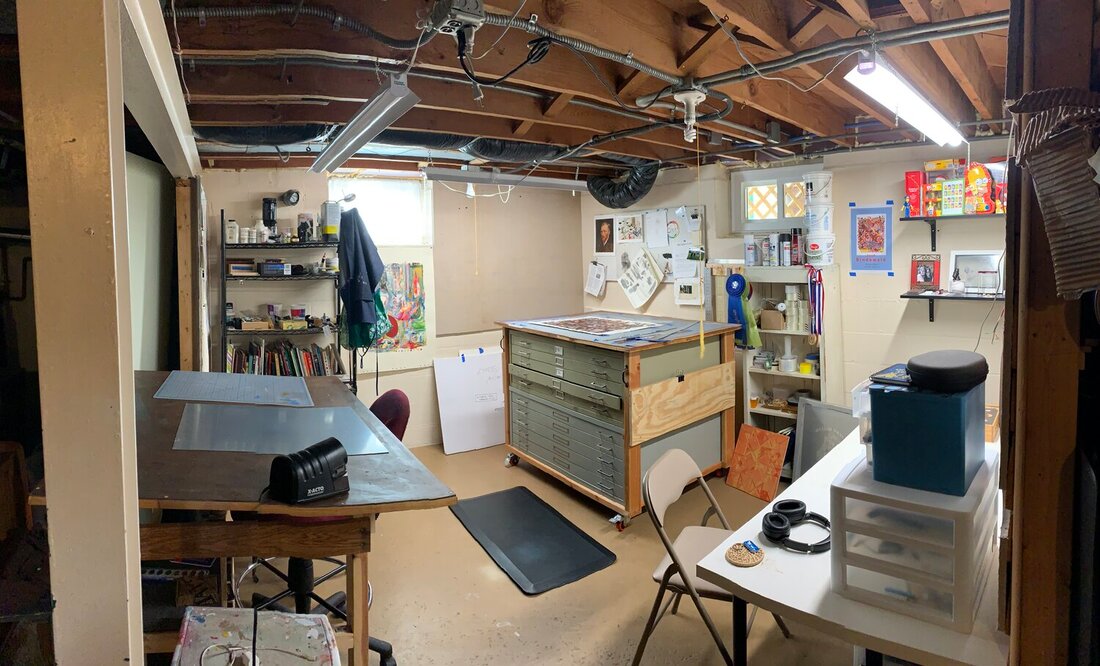
Josh Bindewald's basement studio.
Picture
Inside a 54-square-foot workspace, Jen Hewett screenprints, block prints and sews fabric into artwork.
Picture
Kari McDonald runs her printmaking business Lemuette in a converted cow barn on a former farmstead.


Picture
Picture
Picture
Haimi Fenichel, "Horror Vacui" 87” x 50” (2008) color photograph

References (still in progress)
Powered by Create your own unique website with customizable templates.
  • Home
  • Techniques
    • Analog Printmaking >
      • Relief >
        • Woodcut Overview >
          • Woodcut Basics
        • Linocut Overview >
          • Linocut Basics
      • Intaglio >
        • Drypoint Overview >
          • Drypoint Basics
      • Lithography >
        • Polyester Litho Overview >
          • Polyester Basics
        • Paper Litho Overview
        • Kitchen Litho Overview
        • Lemon-Etch Litho Overview
        • Waterless Litho Overview
      • Screen Printing >
        • Screen Print Basics
        • Emulsion and Exposure
        • Screen Printing Clean Up
      • Unique Impressions >
        • Monotype Basics
      • Collagraphy >
        • Found Objects
      • Letterpress
      • Frottage/Rubbings
    • Digital Printmaking >
      • Risograph
      • Laser Engraving
      • 3D Printing
      • NEW TECHNOLOGY
    • Image Transfer Techniques >
      • CYANOTYPE
      • DIGITAL NEGATIVES
  • PULLING PRINTS
    • Printing Relief
    • Printing Intaglio
    • Printing Screens
  • STUDIO GUIDE
  • GLOSSARY
  • History
  • SAFETY
  • Links
  • About